Can Power Washing Damage Vinyl Siding? 3 Critical Mistakes

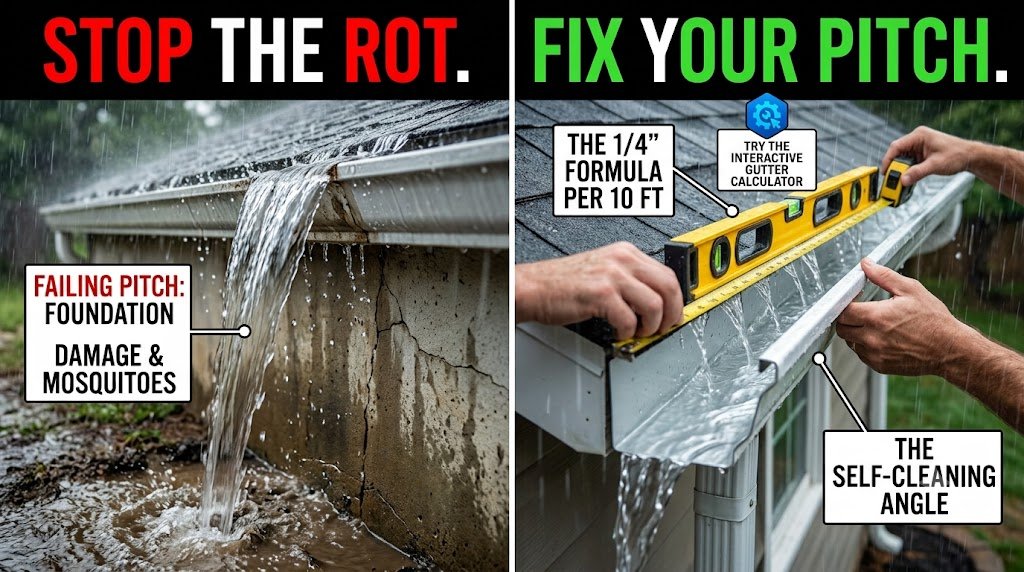
A split-screen graphic showing damaged, cracked vinyl siding from high-pressure washing next to clean siding being safely soft washed, featuring a safe-PSI calculator badge. Can power washing Damage Vinyl Siding

Can power washing damage vinyl siding? Yes. Extruded residential vinyl siding can easily warp, crack, or puncture when exposed to pressure exceeding 1,500 PSI. To prevent permanent structural damage, water-wrap mold intrusion, or voiding your manufacturer’s warranty, you must restrict washing to a maximum limit of 1,200 PSI, maintain a 12-to-18-inch distance, and use a wide-angle 40-degree white fan tip combined with a specialized, low-pressure chemical surfactant. (Use our dynamic siding age and temperature calculator below to find your property’s exact shatter threshold).

Concrete Curing Time Trap: The Ultimate 75% Strength Reality

Infographic explaining concrete curing time, showing a residential driveway with an orange pickup truck parked on the 7-day mark. Text callouts indicate the Week 1 milestone reaches 75% strength, making it ready for light traffic.

Stop waiting 28 days to use your new driveway. Discover why the 7-day, 75% compressive strength threshold is the only metric that matters, and learn how to manage hydration to safely get your concrete ready for traffic weeks ahead of schedule.

The 3-Step Kelvin Paint Trap Cure: Stop Your Color from Changing

Diagram explaining how the Kelvin paint trap effect shifts interior wall color from muddy to clean based on bulb temperature.

Tired of your interior paint looking muddy or distorted? You’ve likely fallen for the Kelvin paint trap. Learn the physics behind why lighting shifts your pigment and follow our 3-step scientific cure to ensure your next paint project looks perfect at any hour.

Finding the Hidden Thermal Bypass: 5 Ways to Stop Winter Drafts and Slash Heating Bills

Diagram showing how to find and fix a hidden thermal bypass in a residential house framing cross-section.

A hidden thermal bypass is an unsealed gap in a home’s structural envelope—most commonly found at the rim joist, attic hatch, or plumbing penetrations—that allows conditioned air to escape. Finding and sealing a hidden thermal bypass requires isolating negative pressure zones within the house to stop thermal bleed and stabilize indoor temperatures.   The Invisible … Read more

How Many Watts to Run a House? 4 Critical Blackout Mistakes

Infographic breakdown of how many watts to run a house on an emergency generator showing starting vs running wattage for appliances like refrigerators and sump pumps.

If the power grid drops right now, do you know exactly how many watts to run a house safely without blowing a backup generator’s mechanical circuit breaker? Most homeowners assume a standard portable unit can automatically handle a modern household, only to find themselves sitting in a dark, freezing living room after an inductive motor … Read more

How Long Will a 100Ah Battery Last? Reliable deep Cycle Run Time Formula

how long will a 100ah battery last: lead-acid vs lithium usable capacity

When a severe winter storm knocks out your power or you are packing your rig for an off-grid overland trip, everything hinges on your auxiliary power bank. You bought a deep-cycle battery labeled “100Ah” and assumed it would keep your essential electronics humming for days. Yet, the first time you plug in a couple of … Read more

Clay Soil Foundation Cracks: 5 Shocking Realities of Summer Drought

clay soil foundation cracks forming horizontal structural fractures in concrete foundation wall

The earth beneath your home isThe Soil Hydration Paradox: How Summer Drought Triggers Clay Soil Foundation Cracks The earth beneath your home is breathing, but right now, the shifting ground that leads to clay soil foundation cracks is silently suffocating. During the peak of July, when the lawn turns the color of cardboard and the … Read more

Fuel Degradation: 3 Critical Steps to Fix a Sputtering Engine

A side-by-side infographic about fuel degradation. On the left, 'The Stale Gas Timeline' details the causes and engine effects of stale gasoline over 30, 90, and 180 days. On the right, a weathered, translucent plastic gas can shows dark, murky degraded E10 fuel with a heavy sludge layer at the bottom, featuring an integrated callout box that reads: 'NEED HELP? -> CHECK OUT OUR FUEL DEGRADATION ENGINE TOOL'.

Standard gasoline begins to break down in just 30 days. Learn the signs of fuel degradation, track the breakdown timeline, and calculate your exact tank stability index.

Disclaimer: The technical data, spatial clearances, and diagnostic methods provided on Staticandsmoke.com are for educational, informational, and entertainment purposes only. Soil conditions, municipal codes, and structural regulations vary drastically by jurisdiction and specific property layout. This content does not constitute professional engineering, architectural, or legal advice. Always consult with a licensed contractor, certified local inspector, or your local health department before executing any excavation, building construction, or utility repairs. The owners and operators of Staticandsmoke.com assume no liability for structural damage, municipal fines, or personal injury resulting from the use or misuse of the information or interactive tools contained on this site.